Historia, Música

This day in Chicano history: The Day the Music Died

February 3, 1959: The Day the Music Died

From Wikipedia:

On February 3, 1959 a small-plane crash near Clear Lake, Iowa, killed three American rock and roll musicians: Buddy Holly, Ritchie Valens, and J. P. “The Big Bopper” Richardson, as well as the pilot, Roger Peterson. The day was later called The Day the Music Died by Don McLean, in his song “American Pie”.

February 3 marks a big loss for rock n’ roll and American music in general, it’s different for Chicanos as there were few of us out in the mainstream. We’ve all seen La Bamba and know the story of Ritchie Valens’ short-live music career.

To commemorate Ritchie Valens’ passing I suggest one of the following activities:

  1. Watch La Bamba on DVD
  2. Throw your laundry in the air and yell “Ritchieeeeeee!” in anguish.
  3. Play some of Valens’ hits, like Come On Let’s Go (original version, not the Los Lobos covers)
  4. Call your love and sing We Belong Together for him/her
  5. Get a tattoo of a flying guitar

Rest in peace, Ritchie!
Standard
Cultura, Historia

This day in Chicano history: Treaty of Guadalupe Hidalgo

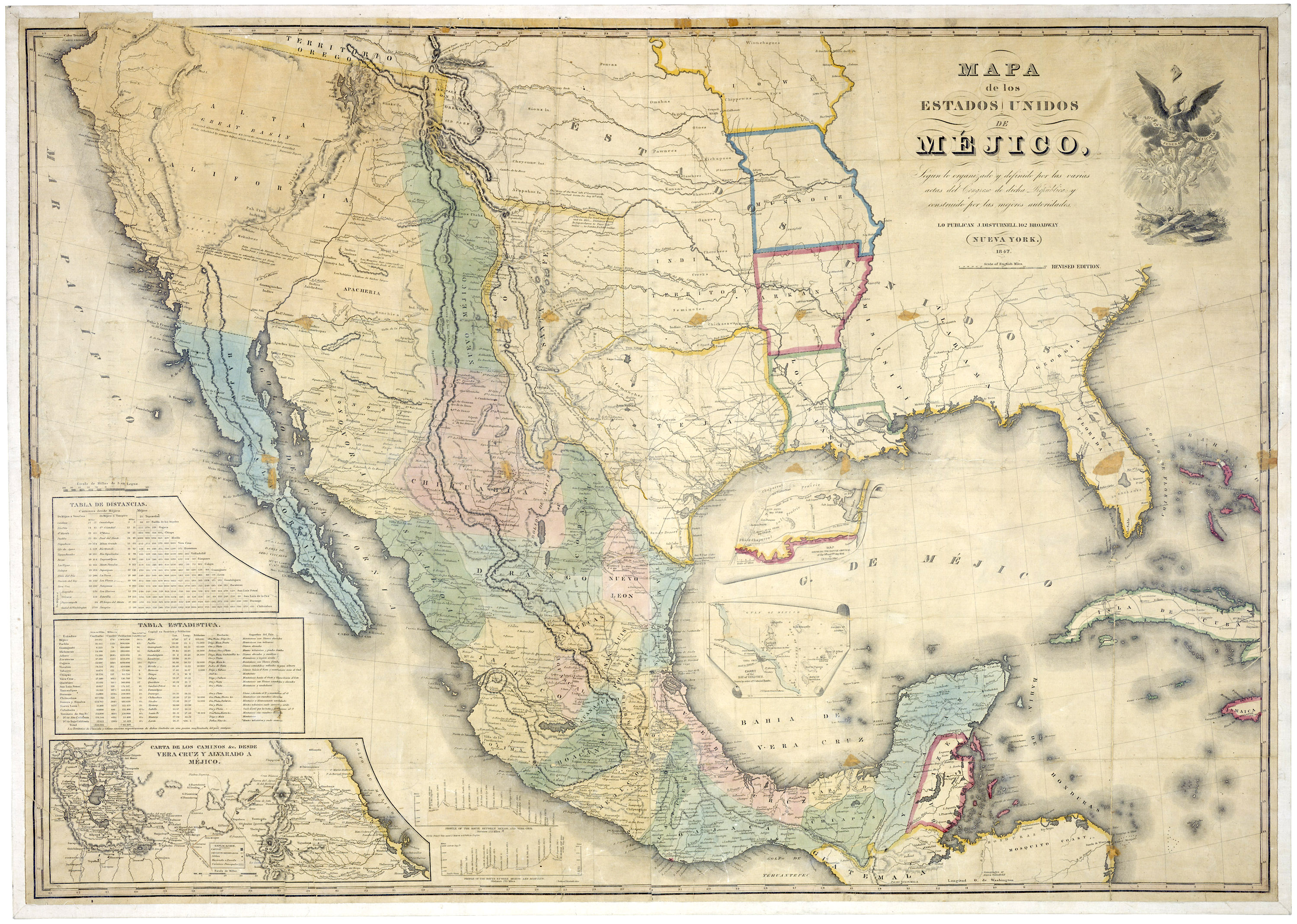
mexico-disturnell-l

February 2, 1848:
The Treaty of Guadalupe Hidalgo was signed or, as my friend likes to say, Chicanos were born

From the National Archives’ Prologue Magazine (Summer, 2008) article on the Disturnell Map of 1847 (above):

On February 2, 1848, a Treaty of Peace, Friendship, Limits, and Settlement was signed at Guadalupe Hidalgo, thus terminating the Mexican-American War. While the war was ostensibly about securing the boundary of the recently annexed state of Texas, it was clear from the outset that the U.S. goal was territorial expansion. Some decades earlier, the United States had secured the Louisiana Purchase, and President Polk now saw it as America’s “manifest destiny” to acquire access to a western ocean through the acquisition of Nuevo México and the Californias (which included parts of the present-day states of New Mexico, Arizona, California, Nevada, Utah, and Colorado). Ultimately, Mexico was obliged to cede Alta California, Nuevo México, and northern portions of the states of Sonora, Coahuila and Tamaulipas.

I’d write something more significant, but my mind is kinda racing with Lost theories.

Standard
Historia, Música

This day in Chicano history: Zack de la Rocha (1970)


Zack de la Rocha backed up by Ollin at UCLA (October 30, 2009)

Zacarías “Zack” Manuel de la Rocha
January 12, 1970
Long Beach, California

Zack doesn’t need an introduction here nor do I need to list the reasons why he’d be on a post about Chicano history. Right? I mean, the guy wrote “People of the Sun.”

Zack and Rage Against the Machine did a lot to raise awareness about the Zapatista uprising in Chiapas in 1994. Everything can change on a New Year’s day…

Alejandro has several posts about RATM’s music and it’s meaning in his own life. He wrote about the one RATM concert I ever attended at the DNC in 2000:

It was [August] of 2000 and the Democratic National Convention was being held at the famed Staples Center, in Los Angeles, Ca. On the other side of the fence, Rage Against The Machine was scheduled to perform a free show that evening, and before you knew it, over 250,000 people had gathered to proclaim their right to say whatever the fuck was on their minds. I was one of them. Those previous shows were about to culminate into one giant “this is it” at the DNC, and it was to that night to which I traced my confidence and energy. [The Music that Made me Dance]

I also recommend PearMama’s slew of RATM-related posts.

I think I might re-watch Battle of Mexico City. It’s been a while. Some of the issues Zack touches on, such as the student movement in Mexico City, may feel outdated 10 years later, but he also touches on the ejidos and the background for the EZLN uprising. It’s also a reminder that the struggle for autonomy is continuous and fought locally too.

Standard
Historia, Música

This day in Chicano history: Juan Gabriel was born

Juan Gabriel (born Alberto Aguilera Valadez)
January 7, 1950

Yes. I know I’m a day late in recognizing Juan Gabriel’s 60th birthday.

But it’s been a busy first week back at school, job 1 and job 2 and it’s going to be a busy quarter overall. Enough excuses, back to Juanga.

Wasn’t he born in Mexico? What does he have to do with Chicanos?

Yes, he was born in Paracuaro, Michoacán. And plenty. Five simple reasons:

  1. Though he was born in Michoacán, we all know he made a name for himself singing in the bars of Ciudad Juárez on the border. In fact, he’s always been somewhat on the border in both the literal and figurative sense. He seamlessly goes from pop to rancheras to disco to ballads. He’s coy about his sexuality, but it’s clear that he presents a different image of the stereotypical Mexican man and entertainer.
  2. He wrote Amor Eterno, the song we all sing when we lay our loved ones to rest.
  3. In 1980, he starred in Del Otro Lado del Puente a film about a young immigrant student trying to pay for school by singing.
  4. He stood up to the man, well BMG, and didn’t record any music from 1986-1994 due to a copyright dispute.
  5. Do you really need a reason? Juanga is one of those sacred Mexican icons, kind of like Vicente Fernández or la Virgen de Guadalupe.

Name your own reason. Why do you love Juanga? What’s your favorite song(s)? What about interpretation of a song written by Juanga?
Continue reading

Standard