Many years ago I went camping with a bunch of my cousins, siblings, and our significant others in Yosemite. It was amazing, but midway through our week there we got heavy rain overnight. We discovered that our tents were not as waterproof as we expected, or we just didn’t set things up right, because we were all Southern California born and raised kids who had years of living through droughts.
Anyway, all of my cousins and siblings gradually abandoned the tents as water seeped in and decamped* for the cars. Here’s what I wrote back then:
“Everyone abandoned the tents for the cars. Sean and I stayed. I knew I wouldn’t sleep in a crowded SUV. The tent was cold, and the thunder and lightning was scary, but I was still relatively dry. I even slept a little. Sean wasn’t so lucky and got dripped on a little more later in the night. My cousins joked that we were like the old couple in Titanic cuddling on their bunk as the deck flooded, resigned to their fate. At least we didn’t get washed away or had the tent collapse on us.” (from Yosemite Day 3)
Nearly 15 years later, we’re still laughing about this and have told the story to our children. They have never seen the movie, but they’ve seen the memes and get the visual.
***
This is what came to mind as I went to work at a university where I lead diversity, equity, and inclusion programs in STEM. I know the work I do is valuable, necessary, and important. I know it’s backed up by theory and numerous studies along with my experience working in the field. I wish I could brush off the attacks and keep it moving, but as I write this at least one program I run may be impacted due to being grant-funded. I don’t know what’s to come, but I know I will keep doing the work whether there is federal support or not.
***
I just finished, The Book of Joy: Lasting Happiness in a Changing World by the Dalai Lama, Archbishop Desmond Tutu and Douglas Carlton Abrams. It’s the February pick for the church book club which always does at least one religious or spiritual book a year along with other nonfiction or literary fiction books. It came at a perfect time as I try to keep myself from doomscrolling with all that’s going on.
I’ve already begun to incorporate some of the practices to bring more joy. One is gratitude and they suggested a daily gratitude journal. Things I’ve noted in the past couple of days:
Long voice notes from my younger brother. He sends voice notes as he goes about his work day. They make me laugh, even when the topics are tough. His work route was in Altadena and was heavily impacted by the recent fires.
A position that allows me to take health/personal days as I need them. I felt particularly drained and tired one day this week and called out. That rest day felt good.
Jigsaw puzzles. I’ve always loved putting together puzzles. I borrow them from a nonprofit toy library and listen to podcasts or audiobooks as I work.
What’s the point of being sober if no one notices? – from The Five Wounds by Kirstin Valdez Quade
It’s early January, and numerous news outlets and people on my social media feeds are talking about Dry January. Yesterday, I replied to a post on Threads where someone reflected on day 4 of Dry January. That prompted my own short reflection and this longer one.
I decided in November 2023 to limit alcohol per my doctor’s recommendation during my annual physical. For my own health, alcohol isn’t good. I’m not a big drinker, but I would have some wine or beer 1-2 evenings a week while watching TV or at a party/social occasion. I don’t feel like I have an unhealthy relationship with alcohol, but like a lot of people I’ve regretted how much I’ve drank more than once.
December 2023: with my brother, Adrian
Shortly after my physical, I visited family in LA for the annual Mosqueda Family Posada. What was supposed to be a fun and festive trip ended up being stressful due to a medical issue (everyone is okay, thankfully!). By the day of the party, I wanted to unwind with family I hadn’t seen in months, so I decided to have a drink. I didn’t know it would be my last.
In January, I met for the first time with a nutritionist my PCP referred me to for some other health concerns. In my intake appointment, we discussed my current habits and lifestyle and composed some achievable goals. I left with the following list:
Eat a more complete breakfast by including protein
Eat vegetables with lunch and dinner
Go to bed earlier (before 1 am)
Exercise at least 30 minutes 3 times/week
Eliminate alcohol
Yes, rather than limit alcohol, she recommended eliminating it. Okay. I had varying degrees of success with the other changes throughout the year, but I stuck to eliminating alcohol and 2024 became my first full year of no drinking. Technically, I’m sober, but it feels weird to say that because it carries a lot of weight.
Do I miss it? A bit, especially in the summer when a cold beer sounded delicious or at a social event. I stayed at a hotel for work that gave you coupons for two cocktails at the bars and was a little bummed that I missed out on a poolside margarita. But I still enjoyed the pool with a mocktail. I’ve tried non-alcoholic beer and it does the job when I crave the taste.
Is it hard? No. At a different point in my life this would have been more challenging. I don’t go to a lot of parties where there’s beer or other alcohol. My social life in Ithaca is much more quiet than it was in LA. Sean does the grocery shopping and rarely buys alcohol for our home.
I recognize that my experience quitting drinking may be different from a lot of people. I’ve seen a loved one quit drinking and know it was different for them. I also know of others who have struggled and not been able to stop. I can’t speak to those experiences, but now I can relate a tiny bit to some of the other changes that come with this.
Is it weird? Kinda, but mostly because I tend to overanalyze things. I’ve been asked if I want wine or beer and when I decline I feel like I have to explain why I’m not drinking. No one has ever asked me to explain or pressured me to drink. The weirdness is all in my head and I feel a bit self-conscious being the only one without a drink in the group in the rare times that’s happened.
December 2024: with my brother, Danny
Before today, I had only shared with a few people that I made this decision. I asked for recommendations on good non-alcoholic beers with my online mom group. My doctors know and, naturally, so does Sean. I don’t think I told anyone in my immediate family, but this is likely because I only see them in person a couple of times a year.
Do I notice any changes? Shrug. I can’t really say one way or another since I consciously made other changes when I also eliminated alcohol. It’d be harder to say “I’m sleeping better” or have more energy because I also tried to get more sleep, exercise and eat more vegetables.
If you’re making any changes for your health and wellness, I hope you have people in your corner to support you and you meet your goals. I’m always here to cheer you on too.
I love this time of year and scanning friends reading recaps for their recommendations. Of course, I have to put together my own. I read 70 books overall this year and below are my top 20 in literary fiction, genre fiction, poetry and nonfiction. At the bottom are the top 10, if you made me pick. All lists are in alpha order.
Fiction
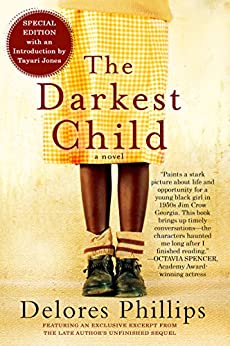
The Darkest Child – Delores Phillips
Phillips’ only novel centers on Tangy Mae Quinn and her 8 siblings who suffer from the racism of their segregated Georgia town and the abuse of their mother, Rozelle. Through the Quinn family, we see how trauma is passed down through generations. I was so engrossed by the novel that I used a personal day to stay home and read. Tangy Mae and her siblings’ stories and names will stay with me for a while, which is something to say for a person who forgets character names and plots points quickly.
Fear was a thing I understood all too well. It was a malignancy that had spread throughout my body until my mother, in her godly wisdom, had diagnosed and cauterized it.
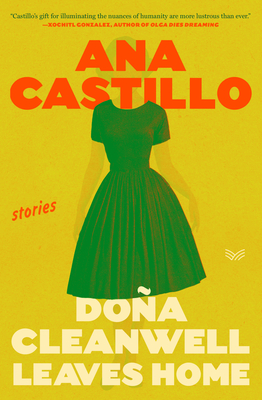
Doña Cleanwell Leaves Home – Ana Castillo
This is one of those short story collections where everything fits so nicely and you wish you had more time with the characters and their stories. Set mostly in Chicago in the 70s-90s, Castillo examines how women’s relationships with their children, partners, and families change as they get to know themselves more while exploring themes like freedom. This is one of my favorites of the year so far.
Did freedom mean you had to be lonely? And if you were lonely, were you “free”?
Everything Inside – Edwidge Danticat
This short story collection focuses on the experience of Haitian women mostly set in the Miami area. If there was a “no skips” for story collections, this would be it. It’s hard to pick 1 or 2 favorite stories, but I was really touched and came to tears reading Sunrise, Sunset about Carole who is experiencing memory loss just as her daughter has her first child. A second that still is on my mind is The Gifts which shows the impact of the devastating 2010 earthquake in the Haitian diaspora.
She thinks of the irony of her family's not being able to take care of her mother, who has dedicated so much of her life to them.
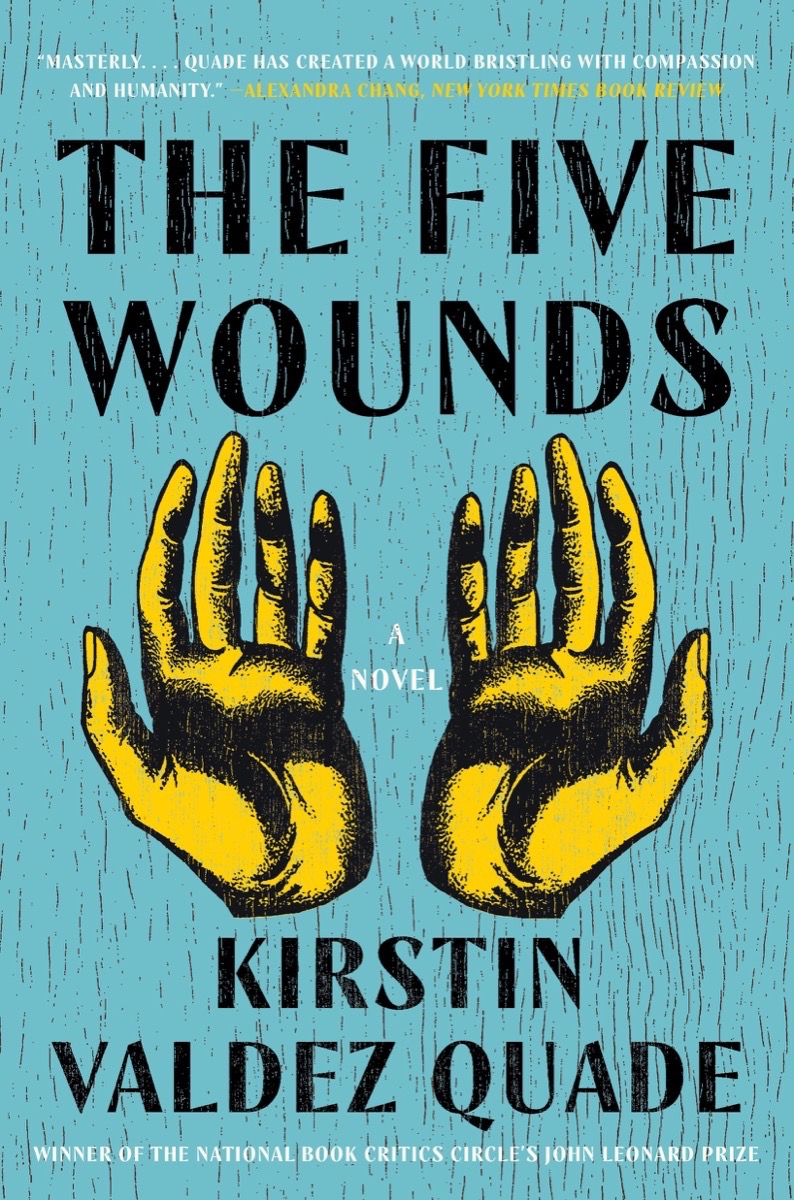
The Five Wounds – Kirstin Valdez Quade
One of my favorites of 2024! In a small village outside of Santa Fe, we meet Amadeo, an unemployed 33-year-old trying to get his life together by playing Jesus in the Good Friday procession, and Angel, his pregnant 15-year old daughter who he hasn’t seen in a year. In the next year, we follow them and other members of their multi-generational family who have been impacted by addiction and tragedy and are trying to repair their relationships.
Having children is terrifying, the way they become adults and go out into the world with cars and functioning reproductive systems and credit cards, the way, before they’ve developed any sense or fear, they are equipped to make adult-sized mistakes with adult-sized consequences.
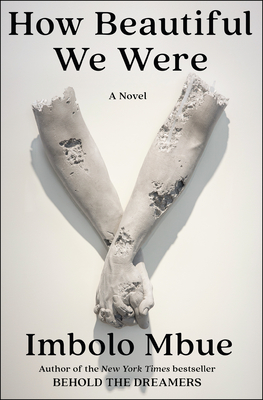
How Beautiful We Were – Imbolo Mbue
So so so good. This novel about the extractive and exploitative nature of colonization and development shows how oil drilling sickens children in an unnamed African country and causes strife for generations. Told through various viewpoints including the children who grew up with Thula, who becomes an activist), Mbue shows how the Kosawans fight the oil company and government repression.
"You're young," he says. "Someday, when you're old, you'll see that the ones who came to kill us and the ones who'll run to save us are the same.
Olga Dies Dreaming – Xóchitl González
I was immediately drawn in by Olga’s complicated family dynamics and couldn’t put it down. I’m a sucker for strained relationships between mothers and their children, but typically read books from the mother’s POV, which we only get in letter format. While very different from The Committed, I liked that there was a thread between them in their references to the impacts of colonization on Puerto Ricans in the diaspora: “Benevolent colonialism is still colonialism.”
It's a myth about motherhood, Olga felt, that the time in utero imbues mothers with a lifelong understanding of their children. Yes, they know their essences, this she didn't doubt, but mothers are still humans who eventually form their own ideas of both who their kids are and who they think they should be. Inevitably there were disparities.
A Place for Us – Fatima Farheen Mirza
I absolutely loved this book centered on an Indian Muslim family grappling with the tension between their cultural and religious values and life in northern California in the 90s/00s. At the start, Amar is seeing his family for the first time in 3 years at his older sister, Hadia’s wedding. I love how Mirza developed the characters and showed us the conflicts from all perspectives. I was left feeling utterly gutted and sobbing, but also with lessons on pride, forgiveness, and mercy. It made me think of how I hope to nurture my children as they grow in their faith. I highly recommend this book, but don’t recommend reading it in public as you may find yourself sobbing in an awkward place, like on a bus full of fifth graders.
I am only saying don’t go so far that you don’t know how to come back home again.
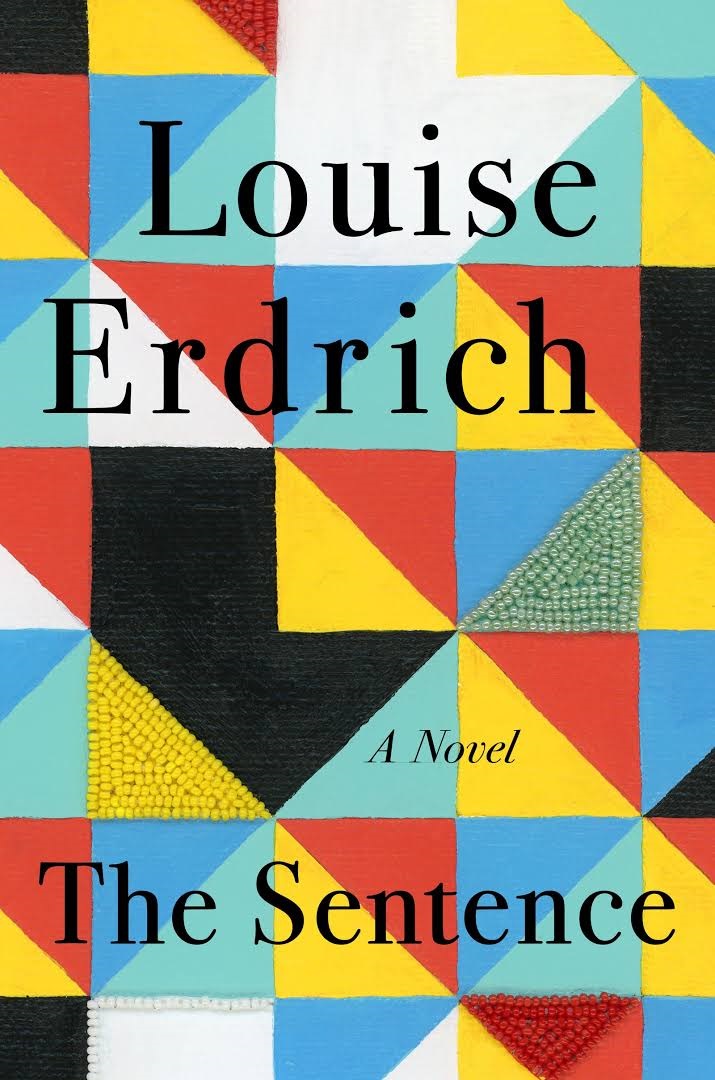
The Sentence – Louise Erdrich
I knew this was going to be one of my favorites of the year from the moment I finished it. It centers around Tookie, a formerly incarcerated Native woman now working in a bookstore in Minneapolis. She’s haunted by the ghost of a customer who claimed to be indigenous. I enjoyed how Erdrich writes about early 2020 and captures the feeling of simply not knowing with COVID. I also loved how she explored identity, families, relationships in a book that was a love letter to books, readers, and book stores.
‘The thing is, most of us Indigenous people do have to consciously pull together our identities. We've endured centuries of being erased and sentenced to live in a replacement culture. So even someone raised strictly in their own tradition gets pulled toward white perspectives.'
Song of Solomon – Toni Morrison
This is a novel I can’t read just once because it’s so rich with unforgettable characters with odd names like Milkman Dead, Guitar and Pilate and rich symbolism that I would need at least two reads to really see how well Morrison sets up the story from the opening where a man leaps off a hospital to the conclusion. Just looking through my quotes I see themes of masculinity, racism, impact of slavery across generations, trauma, love, revenge, and more. This is the kind of book that makes me miss literature classes.
“It is about love. What else but love? Can’t I love what I criticize?”
Vampires of El Norte – Isabel Cañas
At the center of Cañas‘s second novel are Nena and Néstor, two estranged childhood sweethearts. He fled the northern Mexican rancho where her father was the patron after she was attacked by a mysterious creature who killed her — or so he thought. Many years later he returns amid threats of war and strange creatures attacking workers. I loved the mix of romance, adventure, history lessons, and musings on US imperialism.
The land was home. The land was purpose. It was one thing, Papá sometimes said, to work hard in life to be allowed through the gates of Heaven. It was another to be born on Heaven’s soil and sacrifice to earn the bounty that he gave so freely.
Genre Fiction – Romance, Speculative Fiction, and Crime Thriller
The Fastest Way to Fall – Denise Williams
It’s so refreshing to read a romance with a fat female main character and the emphasis not be on her weight. Britta is smart, funny, good at her job and desirable. She joined a fitness app to get content for the magazine where she’s an editorial assistant. The coach assigned to her, Wes, also happens to be the company’s CEO. It’s cute and uplifting without being cheesy. It was also the perfect audiobook for my run/walks.
“You’re better than easy fixes, Britta. You don’t need fixing at all. You’re making changes, but not because you were broken to begin with.
Parable of the Sower – Octavia Butler
I really like a lot of books, but few make me want to have my own copy. I can see myself picking up my copy of this classic and re-reading the whole thing or just a section I highlighted. Butler is a masterful and prophetic storyteller and drew me into Lauren Olamina’s dystopian Southern California in the 2020s. Her world of earthquakes, drought, and fires is both a foreign world and eerily familiar. I can’t wait to read the next book in the series. (Aside: Author Eden Lepucki articulated what I felt in her reflection on Parable of the Sower from the LA Times Essential LA Books series.)
“I mean he’s like… like a symbol of the past for us to hold on to as we’re pushed into the future. He’s nothing. No substance. But having him there, the latest in a two-and-a-half-century-long line of American Presidents make people feel that the country, the culture that they grew up with is still here–that we’ll get through these bad times and back to normal.”
Xeni – Rebekah Weatherspoon
I may have not found Weatherspoon without needing an X book for the #readingeveryoneblack challenge. Xeni travels to her aunt Sable’s small NY town to settle affairs after her aunt’s death. At the will reading she learns that to inherit millions she has to marry Mason, a cook and amateur musician her aunt befriended in the town. He’s also set to inherit money. They both go for it and the fun begins. I’m a sucker for the fake relationship trope, and can’t wait to read more by Weatherspoon.
Everlys know how to perform and command a crowd, and my aunt was no exception. But I think when you’re so good at being on, a lot of people don’t get a chance to know the real you.
Uptown Thief – Aya de León
Marisol Rivera is an unconventional women’s health clinic director. To fund the clinic which serves SWs, she runs a high class escort service and robs corrupt CEOs. Of course things get complicated. This isn’t your average Robin Hood story. It’s fast-paced and defies genre as there’s romance, crime, and thriller elements all with a complicated badass feminist protagonist at the center. I can’t wait to read more in the Justice Hustlers series.
So many of these assholes don’t play fair, not in business, not in bed. So I’m gonna stop playing by the rules.”
Poetry
Bright Dead Things – Ada Limón
This is the first collection I’ve read from Ada Limón, the poet laureate of the United States. I knew I needed to check out her work after hearing her read on a podcast and learning more about her background. I liked the collection and am still thinking about the poems about her stepmother’s illness and death, and a humorous one about her brother being assimilated, but only to a degree because when it comes time to pick sides, he will (Prickly Pear & Fisticuffs).
My older brother says he doesn't consider himself Latino anymore and I understand what he means, but I stare at the weird fruit in my hand and wonder what it is to lose a spiny layer. (from “Prickly Pear & Fistifcuffs)
The Hurting Kind – Ada Limón
This poetry collection made me want to learn more bird and tree names. In fact, Limón has a book with that title that struck me, “Calling Things What They Are” where she realizes what she thought was love was actually pain. Joint Custody, Sports and the title poem, the Hurting Kind about her grandparents were additional favorites and lines like these will go into my bank of beautiful words on grief and loss: “Love ends. But what if it doesn’t?”
I like to call things as they are. Before, the only thing I was interested in was love, how it grips you, how it terrifies you, how it annihilates and resuscitates you. I didn't know then that it wasn't even love that I was interested in but my own suffering. I thought suffering kept things interesting. How funny that I called it love and the whole time it was pain. (from “Calling Things What They Are”)
Promises of Gold – José Olivarez
I didn’t intend to deviate from my approach to choosing books at random, but I saw this in the library and after reading the intro I had to keep going. Then I did the random number generator and #77 (this book on the list) came up. Kismet! I loved this poetry collection exploring love for friends and family in the context of colonization, culture and migration. So many of his heartfelt and humorous poems written for friends and men in his family made me think of the men I care about.
nature took a mental health day / just like you. winter is long / & humans aren't the only creatures / that suffer from loneliness. (from “Inspiration”)
Nonfiction
El Cinco de Mayo: An American Tradition – David Hayes-Bautista
El Cinco de Mayo is a well-researched and accessible history book detailing how Mexicans, Californios and others from Latin America formed a civil society in a time of great change in the mid 1800s. I learned a lot about how Californios were pushed out of building wealth through mine claims or land ownership through a series of laws and how questions of what to call people from Latin America who speak Spanish has been an issue since the 1800s. I also learned that the American Civil War and Battle of Puebla were linked which is why there were such great celebrations. If you ever need to explain to someone that Cinco de Mayo isn’t a fake holiday and has roots in California, check out Hayes-Bautista’s research.
The American Civil War and the French Intervention undeniably were closely linked. The French never would have intruded into Mexico had the United States not been distracted by the Civil War and thus unable to enforce the Monroe Doctrine. Moreover, the eventual success or failure of the French Intervention in Mexico was tied to the outcome of the Civil War; if the Union won, the United States could be expected to come to Juárez’s aid.
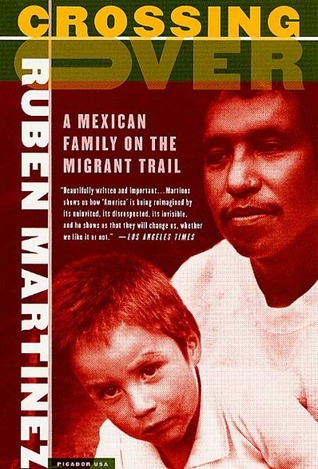
Crossing Over: A Mexican Family on the Migrant Trail – Rubén Martínez
Crossing Over focuses on the aftermath of a 1996 car accident involving migrants fleeing US Border Patrol. Several people in the truck were killed including three brother from the Chavez family from an indigenous town, Cherán, Michoacán, Through engaging stories, Martínez explores how migration has impacted the family and their community. Although this book is now over twenty years old and a lot has likely changed in Cherán, I would still recommend this as the issues he explores like dangerous crossings, exploitative employers, changing family dynamics, and how Mexican immigrants assimilate into the U.S. societies are timely.
He'll go north and then he'll come back. Funny how it goes: you leave home precisely because you have to return. Or you return because you have to leave. Something like that. May they bury me here, in my land, México, jay, ay, ay!
The Talk – Darrin Bell
I used to read Candorville, Bell’s syndicated comic strip regularly years ago. When I saw he had a graphic memoir I was excited to read it. I enjoyed this and shed a few tears as I finished reading. I resonated with so many of Bell’s formative experiences he shared like being impacted and fighting against the repeal of affirmative action in California and grappling with raising Black sons in a world that may see them as threats rather than just kids. The panel below gutted me as I remember this same feeling as I learned I was having a boy back in 2013 and later when the jury acquitted the man who killed Trayvon Martin.
Top 10
If I had to limit this to only 10, these would be my top choices with the caveat that there are at least two books I could swap with a different book above and still be happy with my list.
The Darkest Child Doña Cleanwell Leaves Home The Fastest Way to Fall The Five Wounds Olga Dies Dreaming Parable of the Sower A Place for Us Promises of Gold The Sentence Vampires of El Norte
I am procrastinating finishing my 70th book of the year so I can write about what and how I read.
For the past 10 years, I’ve been tracking my reading in earnest. I know a lot of people don’t bother with this, but I love anything that allows me to make a list and track data in a spreadsheet so I can analyze later. Since I can’t keep things simple, I added in reading challenges which I found thanks to book bloggers. The first one I attempted was an A-Z challenge for author names which I found on Feminist Texican Reads. From there, I’d add or skip throughout the year. Aside from setting a number goal on Goodreads* for the year, I’ve done the following challenges:
I keep coming back to challenges because I like them. The planning and searching process is fun as I peruse best-of lists, blogs, and bookish groups on Facebook or Goodreads. The challenge prompts nudge me to pick up a book that’s been on my to-read list for a while or discover a new author and go outside my comfort zone. I also like trying to make the challenge my own and interpret prompts creatively.
On the other hand, it can feel like a lot. Last year I felt burned out tackling all 50 prompts of the PopSugar challenge. I was over it by the end. Reading a book just to fulfill a prompt can suck the enjoyment out of reading and I’m too stubborn to quit.
For 2024, I decided to cut back (sorta) by only doing 4 challenges:
Choosing books at random by assigning each book a number and picking by random number generator. If I didn’t want to read the book, I just decided to remove it from my list. I only did this for the first half of the year as I had to be more intentional about book choices to fulfill the A-Z and Reading Everyone Black challenges.
Book club: the church I attend has a book club. I always peruse the list of books which often aligns with my interests, but never attended until this year.
A-Z by Author Challenge
Completed a couple of days ago with Helena María Viramontes’s novel Their Dogs Came with Them! I’ve done this several times now and typically have so many books on my to-read list that I only need to search for a few letters. I also have go-to authors for the hard letters like Q, U, or X.
Anzaldúa, Gloria – Borderlands/La Frontera: The New Mestiza Bell, Darrin – The Talk Collins, Suzanne – The Ballad of Songbirds and Snakes Danticat, Edwidge – Everything Inside Erdrich, Louise – The Sentence Figueroa, Jamie – Brother, Sister, Mother, Explorer Gonzales, Manuel – The Miniature Wife and Other Stories Hayes-Bautista, David – El Cinco de Mayo: An American Tradition Irby, Samantha – Quietly Hostile Jackson, Kwana – Knot Again Krakauer, Jon – Under the Banner of Heaven: A Story of Violent Faith Lauren, Christina – The True Love Experiment Montgomery, Candice – By Any Means Necessary Naumberg, Carla – How to Stop Losing Your Shit with Your Kids: A Practical Guide to Becoming a Calmer, Happier Parent Olivarez, José – Promises of Gold Phillips, Delores – The Darkest Child Quade, Kirstin Valdez – The Five Wounds Ryan, Kennedy – This Could Be Us Smith, Eric – Don’t Read the Comments Taylor, Brandon – Filthy Animals Umrigar, Thrity – The Space Between Us Viramontes, Helena María – Their Dogs Came with Them Waters, Sarah – Fingersmith Xu, Wendy and Walker, Suzanne – Mooncakes Yang, Kao Kalia – The Latehomecomer: A Hmong Family Memoir Zoboi, Ibi – Nigeria Jones
Goodreads Challenge
I’m almost done with my goal to read 70 books. Check our my year in books
Reading Everybody Black
This was an A-Z challenge that you could interpret in a number of ways. For instance, A could be for author first or last name, title, genre, topic, main character, setting, etc. I generally chose books that met the challenge by author name or title. For N and Y I chose by genre, noir and young adult. I had a lot of books that were already on my to-do read list and prioritized those.
I really liked this challenge and was happy to discover authors like S.A. Cosby, Imbolo Mbue, Aya de León, Rebekah Weatherspoon, and Brendan Slocumb whose books I really enjoyed. I’ve already added other books by them to my to-read list.
A: Agbaje-Williams, Ore – The Three of Us B: Bell, Darrin – The Talk C: Cunningham, Vinson – Great Expectations D: Williams, Denise – The Fastest Way to Fall E: Danticat, Edwidge – Everything Inside F: Acevedo, Elizabeth – Family Lore G: Guillory, Jasmine – Drunk on Love H: Hibbert, Talia – Highly Suspicious and Unfairly Cute I: Mbue, Imbolo – How Beautiful We Were J: Craft, Jerry – New Kid K: Jackson, Kwana – Knot Again L: Taylor, Brandon – The Late Americans M: Montgomery, Candice – Home and Away N: Cosby, S. A. – Razorblade Tears [noir] O: Butler, Octavia – Parable of the Sower P: Phillips, Delores – The Darkest Child Q: Irby, Samantha – Quietly Hostile R: Ryan, Kennedy – This Could Be Us S: Morrison, Toni – Song of Solomon T: Taylor, Brandon – Filthy Animals U: de León, Aya – Uptown Thief V: Slocumb, Brendan – The Violin Conspiracy W: Wes Moore – The Other Wes Moore: One Name, Two Fates X: Weatherspoon, Rebekah – Xeni Y: Montgomery, Candice – By Any Means Necessary [young adult] Z: Zoboi, Ibi – Nigeria Jones
Read Latine Lit
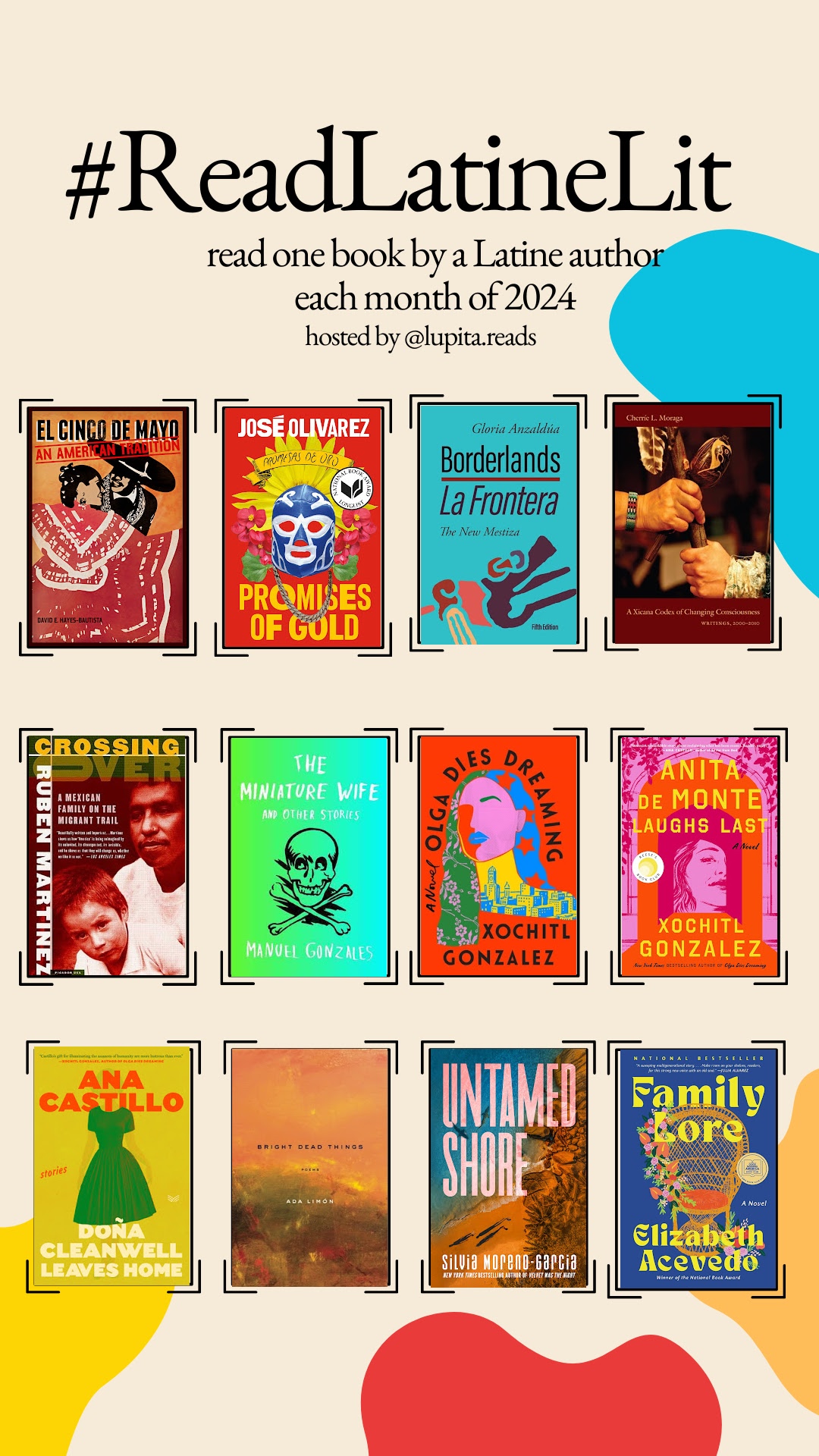
The #ReadLatineLit challenge was simple: read at least one book by a Latine author per month. By this standard, I did not meet the challenge because I didn’t read any books by a Latine author in April, June and August but I made up for it in other months. Overall I read 20 books that fit the challenge. Based on my habits, this was a pretty easy challenge, but I added it because I wanted to promote Lupita Reads’ content and hope that readers will read and support literature by Latine authors.
Hayes-Bautista, David – El Cinco de Mayo: An American Tradition Olivarez, José – Promises of Gold Anzaldua, Gloria – Borderlands/La Frontera: The New Mestiza Moraga, Cherríe – A Xicana Codex of Changing Consciousness: Writings, 2000-2010 Martínez, Rubén – Crossing Over: A Mexican Family on the Migrant Trail Gonzales, Manuel – The Miniature Wife and Other Stories González, Xóchitl – Olga Dies Dreaming González, Xóchitl – Anita de Monte Laughs Last Castillo, Ana Doña – Cleanwell Leaves Home: Stories Limón, Ada – Bright Dead Things Moreno-Garcia, Silvia – Untamed Shore Acevedo, Elizabeth – Family Lore
St Catherine’s Book Club
I attended most months and facilitated the discussion for a book I read last year, Gabrielle Zevin’s Tomorrow, Tomorrow, and Tomorrow. This really helped me branch out as I only had read one author before, Louise Erdrich.
Erdrich, Louise – The Sentence McCann, Colum – Apeirogon Moore, Wes – The Other Wes Moore: One Name, Two Fates Krakauer, Jon – Under the Banner of Heaven: A Story of Violent Faith Yang, Kao Kalia – The Latehomecomer: A Hmong Family Memoir Kingsolver, Barbara – Demon Copperhead Napolitano, Ann – Hello Beautiful Umrigar, Thrity – The Space Between Us McBride, James – The Heaven and Earth Grocery Store
Dígame
How do you decide what to read next? Where do you get your book recommendations? Do you do any reading challenges?
*Aside: I tried to stop using Goodreads and migrating over to StoryGraph. But old habits die hard. I know, I know.
A few weeks ago I attended Xavi’s school production of The Tempest. He played Ariel, which he shared with two other students. This post isn’t about Xavi’s play, which I have so many feels about. How is my baby up on stage reciting Shakespeare?
My thespian!
In getting ready for the play I decided to go a little dramatic to match my dramatic kid (his words!). I chose a new-to-me multi-patterned flowy dress. It was one of several dresses/skirts my cousin’s wife Sara let me have.
It was too cold for just the dress and none of my other coats looked right. So I got out my maxi-length suede fur-trimmed coat. It matched the hippie, boho vibes.
This coat was the first item I thought of when I read Leonor’s newsletter # 261 (October, 2021)
What is the oldest item of clothing you own? My “rules” when I asked my friends was “nothing vintage, something you actually wore and could/do wear now”
Sure I have old t-shirts from my UCLA student activism days, but I wouldn’t wear them now. I keep them for sentimental value.
The coat was originally a Christmas gift from my sister. It was Lori’s first year out of high school and she had a job working at the same dealership with my dad and brother.
The coat was the kind of gift I wouldn’t buy myself because of the price or practicality – when would I need this kind of coat in LA? – but would secretly covet. As my sister, she knew me!
January 2003
I wore it a few days later during my first trip to New York City. I even found a matching hat and felt cute.
Throughout my 20s, I’d wear it occasionally, but never on the regular. I wore simple pea coats and hoodies that allowed me to blend in and not bring attention to myself. It was why I often hid behind my long hair. I didn’t feel confident in my body.
Hiding behind my hair
Last year, I pulled it out of the closet to briefly play dress up with Archie. He’d just got some new aviators and I thought he’d look cute with the coat on. I also tried it on then and it was too small.
Archie in the coat
I briefly thought about selling it and looked up prices on eBay. But I didn’t want to do that since it was the first gift my sister got me as an adult with her own real money.
At Lori’s 21st birthday party
I’d rather give it away to someone I knew. Instead I put it back in the closet with a goal of fitting into it again and having a worthwhile place to wear it to… like my kid’s school theater debut.